Accepting Support
Building Safety
Trauma for Attachment Style Difficulties
Healing early attachment wounds so connection can feel safer, steadier, and more authentic.

I help hold the weight of attachment trauma so you don’t have to carry it alone - together we can move beyond the pain towards relational safety.
Trauma doesn't need to hold you back
·
It is possible to build safety
·
It's okay to ask for help
·
Trauma doesn't need to hold you back · It is possible to build safety · It's okay to ask for help ·
Attachment Trauma is Real.
-

Attachment trauma Changes Your Nervous System
Your nervous system is doing what it is designed to do - look for ways to keep you safe. Through bad experiences with early caregivers, it learnt that too many places are unsafe and now your world is getting smaller and getting close to others feels very triggering.
-

Attachment Wounds are a Result of Unmet Needs.
If your early caregiver didn’t care for your needs, got angry when you expressed needs, or obsessed over you in a way that never allowed you to trust yourself, it will be hard to connect with people in adulthood. Your nervous system learnt early on that others can’t be trusted.
-

Attachment Wounds Show Up in Different Ways.
Maybe you avoid intimacy, people please, or obsess over wether others like you - and it’s exhausting. You’re tired of wondering if your friends are mad at you, wether you’re doing enough at work, or doubting your partner’s love for you. Maybe you’re still trying to earn your parent’s love and care as an adult.
-

Trauma Therapy Leads to Real Life Change
Therapy offers a safe space to begin letting someone show up for you—sometimes for the first time. It can feel easier to start with a therapist, someone a step removed from the intensity of your day-to-day relationships. As your nervous system begins to recognize safety again, you gain more freedom to engage in your life and connect with others in ways that may have once felt out of reach.
Attachment therapy based in Kitsap County, serving Poulsbo, Silverdale, and clients across Washington State.
My Approach to Attachment Based Therapy
I integrate Emotion Focused Individual Therapy to process attachment trauma with Self-Compassion and Mindfulness work to help your body learn how to connect safely with yourself and others.
I want you to know what to expect and feel comfortable asking questions about my approach.
-
Using mindfulness, stress cycle education, and taking time to build emotional safety in therapy helps your nervous system feel ready to process.
-
I provide resources and tools to support you between sessions so you begin to feel empowered to care for your body and heart.
Wether you like mindfulness, reading, or listening to podcasts, I help curate the right resources for you.
-
When your body feels safe and you have the tools to support your nervous system, we begin trauma processing with the attachment based therapy Emotion Focused Individual Therapy.
I am there as a support paying close attention to your emotional needs the whole time.
-
If your body says talking about something is too hard, we focus on building safety and comfort, not pushing through. When you feel safe enough, your nervous system will tell us.
My Attachment Therapy Training
-
Emotionally Focused Individual Therapy (EFIT) Level 1 Certificate Course (Online Course)
DR. SUE JOHNSON AND DR. LEANNE CAMPBELL
Completed Level 1 training in Emotionally Focused Individual Therapy (EFIT), an attachment-based approach to working with trauma, anxiety, and relational patterns. This foundational training focused on understanding how early attachment experiences shape emotional responses and relationships, and introduced a step-by-step framework for working with core emotions in therapy.
-
Emotionally Focused Individual Therapy (EFIT) Level 2 Certificate Course (Online Course)
DR. SUE JOHNSON AND DR. LEANNE CAMPBELL
Completed Level 2 training in Emotionally Focused Individual Therapy (EFIT), with a deeper focus on applying the model in more complex and challenging clinical situations. This advanced training emphasized refining skills, working through blocks to emotional processing, and strengthening the therapist’s ability to guide lasting change and secure connection.
-
Essential EFIT Assessment Training: A Proven, Novel Attachment Focused Assessment Method (Digital Seminar)
DR. LEANNE CAMPBELL
Completed additional training in Emotionally Focused Individual Therapy (EFIT) with an emphasis on assessment, case conceptualization, and treatment planning. This training explored how attachment, trauma, and emotional distress can be understood through an attachment lens, while building skills in applying the EFIT model. It also focused on translating this understanding into clear, structured treatment plans that support emotional processing, safety, and lasting change.
Frequently Asked Questions
-
An attachment wound is what happens when, in an important relationship, you didn’t feel as safe, supported, or cared for as you needed to. This can come from early experiences, or from later relationships where there was hurt, inconsistency, or disconnection. Over time, it can shape how safe it feels to trust others, open up, or rely on people—often leading to patterns like pulling away, overthinking, or feeling unsure in relationships.
-
An attachment style is the pattern your nervous system learned around connection—how you relate to closeness, trust, and support in relationships. These patterns often begin in early relationships and can show up in how you respond when you feel close to someone, need reassurance, or feel hurt. You might notice tendencies like pulling away, overthinking, or wanting more closeness than feels available—these are all ways your system has learned to try to stay safe in relationships.
-
I’ve seen many clients develop a sense of safety in their bodies, in their relationships, and in the world around them that they didn’t realize was possible. While every experience is unique, this kind of healing takes time, and research tells us that steady, consistent engagement in therapy supports the deepest and most sustainable change.
-
Because every person’s experiences are different, healing unfolds differently, too. Some clients attend weekly sessions for several months and then feel ready to pause. Others continue longer-term, either for ongoing support with trauma processing or for deeper self-exploration beyond trauma processing. We revisit your goals and progress along the way to ensure therapy continues to meet your needs.
-
The initial 50-minute session is $200 and includes additional time outside of session for diagnostic assessment and treatment planning. Ongoing 50-minute sessions are $180 for the duration of your course of treatment.
-
I am an out-of-network provider and offer Superbills, which many clients use to seek reimbursement from their insurance companies.
When you begin therapy, you will also receive a Good Faith Estimate outlining the anticipated cost of services for the year, so you can plan and budget with clarity and no surprises.
-
For Online Therapy, I use SimplePractice as a secure, all-in-one client portal. You’ll receive an emailed video link before each session, and you can use the portal to manage appointments, update reminder settings, access shared resources, and download billing information for insurance reimbursement.
-
Yes, I provide in-person therapy at my office in Poulsbo, WA.
If you are sick or unable to commute at some point, you can join your session from home—or anywhere you feel safe and comfortable—making therapy more accessible, flexible, and grounded in your everyday life. Just be sure to let me know ahead of time!
Meet your Attachment Based Therapist
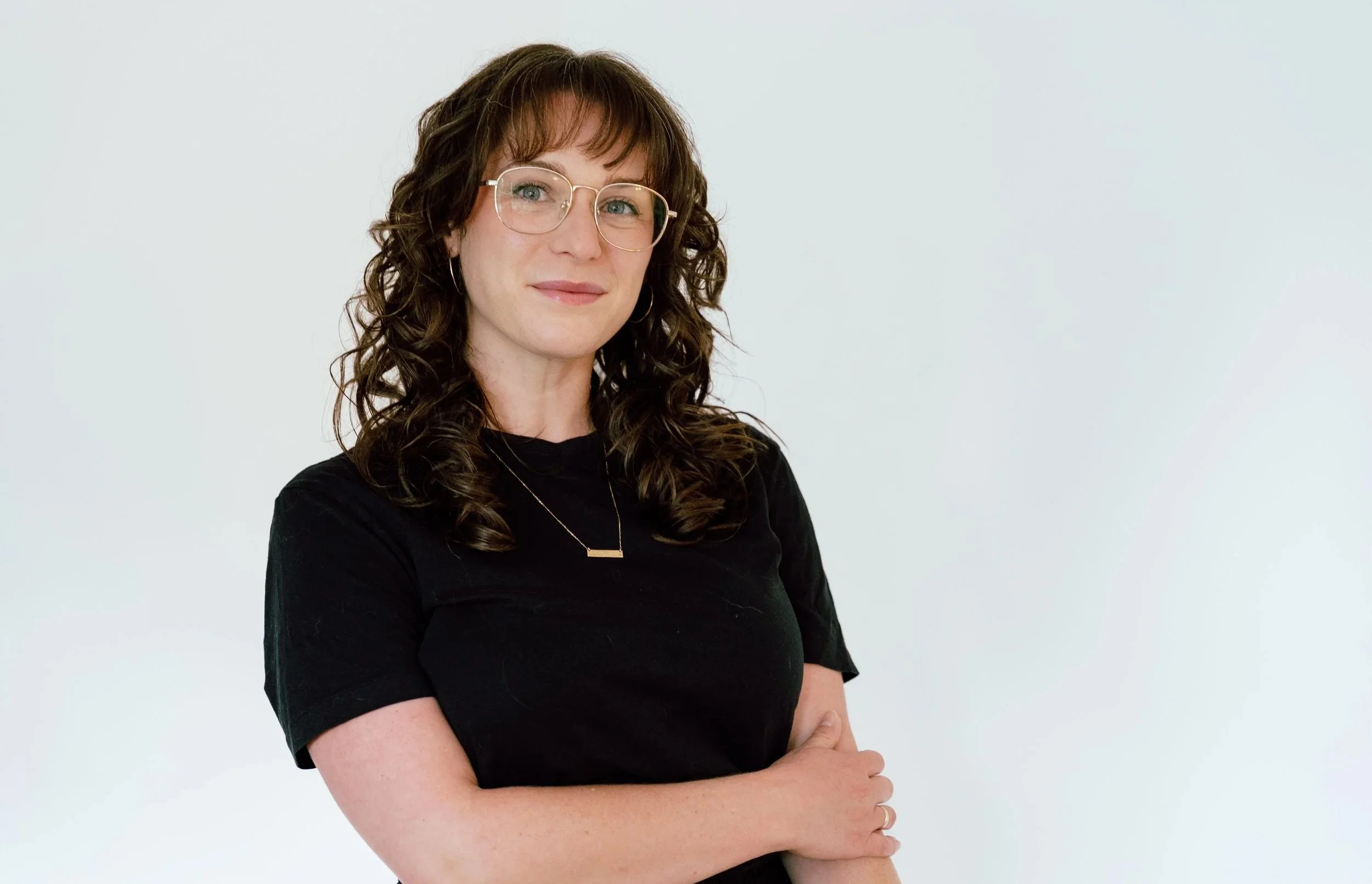
I’m Stephanie Thiessen, a Licensed Mental Health Counselor offering trauma-informed therapy grounded in compassion, curiosity, and relationship. Since 2017, I have helped clients understand and gently shift the emotional patterns shaping their relationships—with others and with themselves—so they can feel more grounded, connected, and at ease.
A Little About Me
-
My Speciality
I specialize in supporting adults navigating trauma from harmful relationships at home, within religion, or from not being accepted in the world as a whole.
For many clients, these experiences show up as perfectionism, anxiety, burnout, loneliness, or a sense of being disconnected from who they truly are. I can hold the weight of those experiences and offer a safe place to feel seen and understood.
-
My Training
My approach to working with trauma is informed by trauma therapy training in both Observed and Experiential Integration and Emotion Focused Individual Therapy.
These are experiential trauma-processing approaches that help you safely feel and work through emotions that once felt overwhelming or unsafe.
-
Additional Insights
I also bring additional training in neurodiversity-affirming counseling—an approach that honors who you are at your core and never asks you to be someone you aren’t. Many clients come to me feeling like they’ve had to mask, perform, or be “less” to belong; therapy with me is a space where that pressure can soften and your lived experience is met with care and respect.
-
My Style
I show up with warmth, clarity, and a collaborative presence—holding space for the messy, tender parts while supporting your work towards sustainable, meaningful change.
You are always going to see the real me as I create a safe place to be the real you.
Learn more about My Approach.
Attachment Based Therapy goes at your pace.
We build safety and trust.
We begin where you are.
