Accepting Support
Building Safety
Neurodivergent Affirming Therapy

Therapy that integrates trauma processing with a deep understanding of neurodivergent experiences and support needs.
You're unique, your care should be also
·
You're unique, your care should be also
·
You're unique, your care should be also
·
You're unique, your care should be also · You're unique, your care should be also · You're unique, your care should be also ·
What is Neurodivergent Affirming Therapy?
-

Helping You Live More Authentically
Trying to please everyone in a world that expects us all to be the same is exhausting, traumatizing, and impossible. I’m with you. We need support that validates our worth and meets our nervous systems where they are - not where others think they should be.
This is the foundation of my approach.
-

Questioning Assumptions
My goal is to approach with curiosity so we can understand what your body is asking for. Neurodiversity-affirming counselling puts assumptions aside and honors the uniqueness of your experience.
You do not need a formal diagnosis to seek support that matches who you are.
-

Meeting Needs Not Forcing Change
Neurodivergent needs and behaviors have long been stigmatized and misunderstood by society and the medical field. Too often, patterns are treated as symptoms to fix rather than needs to be understood and supported. I trust there is a reason for what you do. I want to learn about it and support what your system is asking for.
-

Reducing the Chance of Misdiagnosis
Sometimes what looks like anxiety is a response to sensory overload. Many Autistic people experiencing Autistic burnout are being treated for depression. While it’s possible to experience anxiety, sensory triggers, depression, and burnout, it’s important to understand which are true for you so you are supported in the right way.
Open to learning your unique story.
While I have attended training on supporting ADHD, Autism, and AuDHD, I approach your experience with openness and curiosity so I can understand how to best support you. I know there are many forms of neurodivergence and continually expand my knowledge to better serve the individuals I meet.
My Approach to Neurodivergent Affirming Therapy
Neurodivergent people deserve therapy that supports their unique nervous systems and bodies. Therapy with me is tailored to you — your needs, your goals, and your nervous system.
I want you to know what to expect and feel comfortable asking questions I about my approach.
-
Using mindfulness, stress cycle education, and taking time to build emotional safety in therapy helps your nervous system feel ready to process.
We’ll also talk about how to make therapy a neurodivergent-affirming space. If it feels uncomfortable for me to look at you, you’re welcome to take camera breaks, or we can do an activity like coloring. If you need to stim, you’re free to use fidgets, interact with your pets, draw, color, or do whatever helps you feel regulated.
-
Education around sensory needs and triggers, accommodations, and emotion identification to support your ability to feel safe in your body and in the world.
I use resources such as books, sensory trigger checklists, feel-good menus, mind-body connection exercises, and workbooks that support traits such as alexithymia to help you better understand what your system is asking for.
-
Neurodivergent nervous systems often benefit from co-regulation and body doubling. Shared presence can support focus, emotional steadiness, and task initiation. We intentionally use relational connection to help your system feel safer and daily demands feel more manageable.
-
Conserving energy and keeping up with daily tasks can be deeply exhausting. Together, we identify systems that fit how your brain works, so responsibilities feel more sustainable and burnout becomes less frequent and less intense.
-
I can provide support and resources to help you explore your self-identification process.
Research shows that self-diagnosed — or self-realized — Autistic individuals are indistinguishable from those who are formally diagnosed. Because of this, self-identification is increasingly recognized as valid and representative in both research and the Autistic community.
Self-realizing can offer a greater sense of agency and expand the diversity of voices within the community, as more people have the opportunity to name their own experience.
-
This is where we explore masking, unmasking, safety, and self-compassion. I create a space where it feels safe to practice being yourself, so you can discover more about who you are and how worthy you are as a neurodivergent person. Disability does not change that — and I’m sorry the world has made that hard to believe.
-
Many neurodivergent people carry trauma from years of masking, feeling misunderstood, or being criticized for who they are. Trauma processing in this space honors those experiences. We gently work through the hurt of isolation, rejection, or chronic self-doubt so your nervous system can feel safer being fully yourself.
My Neurodivergent Affirming Therapy Training
-
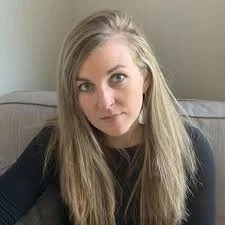
Identifying the Lost Generation of Autistic Adults (Online Course)
DR. MEGAN ANNA NEFF - AUTISTIC SOCIAL PSYCHOLOGIST
This course explored the “lost generation” of Autistic adults and how masking and cultural factors have led to under-diagnosis. It built a more nuanced understanding of adult presentations, co-occurring conditions, and thoughtful assessment practices. It also underscores the risks of misdiagnosis and the protective power of accurate identification and identity integration.
-
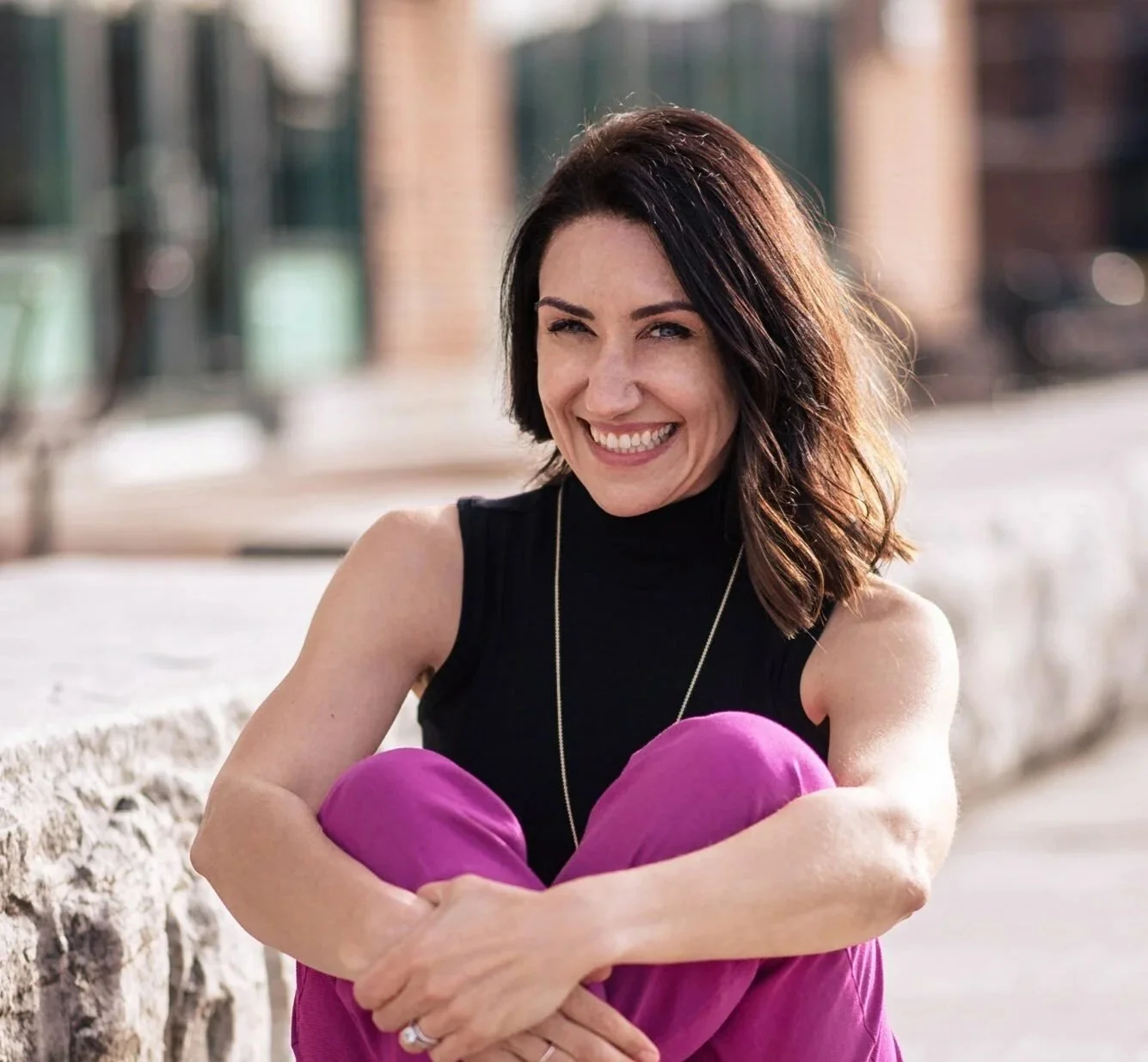
Foundations of Neuro-Affirming Practice: Experiential Training for Working with High-Masking Autism, Burnout, PDA and More (Seminar)
KORY ANDREAS, LCSW-C - AUTISTIC CLINICAL SOCIAL WORKER
Practical training on working with Neurodivergent people from the academic, professional, and lived experience of Kory Andreas, an Autistic mental health professional.
-
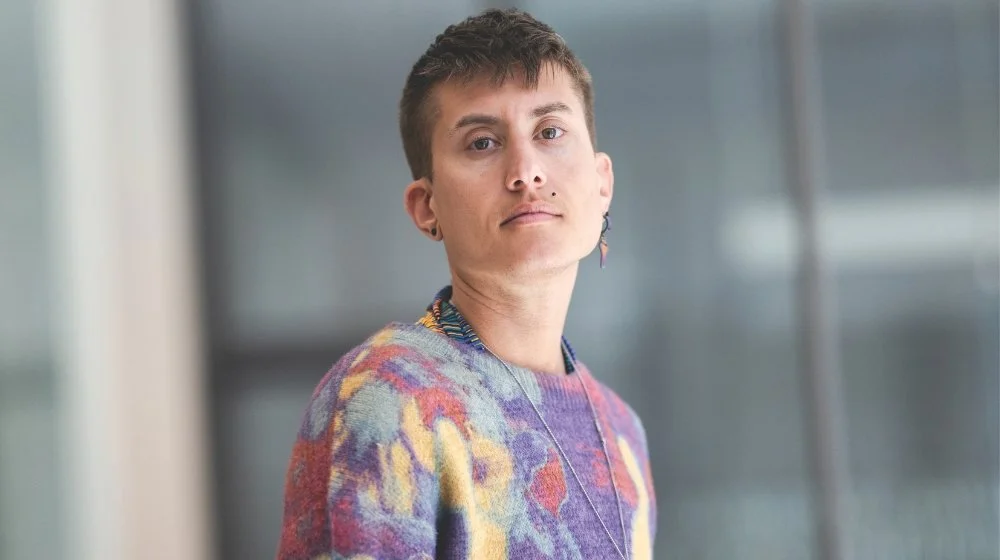
Unmasking for Life: Authenticity, Autonomy, and Autistic Liberation (Seminar)
SEMINAR BY DR. DEVON PRIVE - AUTISTIC SOCIAL PSYCHOLOGIST
This seminar reflected on the meaningful progress the Autistic community has made in visibility and accessibility over the past decade. It also invited a broader vision of neurodiverse justice rooted in liberation, autonomy, and authenticity. Furthermore, it explored alternatives to pathology-based models and consider more affirming ways to access care, accommodations, and community.
Frequently Asked Questions
-
My goal is to approach with curiosity so I can understand what your body is asking for and support the needs that truly fit. Neurodiversity-affirming counselling questions assumptions and honors the uniqueness of your experience, so you feel supported for who you are rather than feeling pressured to be someone else to be understood.
-
I’ve seen many clients develop a sense of safety in their bodies, in their relationships, and in the world around them that they didn’t realize was possible. This kind of healing takes time, and research tells us that steady, consistent engagement in therapy supports the deepest and most sustainable change.
-
Because every person’s experiences are different, healing unfolds differently, too. Some clients attend weekly sessions for several months and then feel ready to pause. Others continue longer-term, either for ongoing support or for deeper self-exploration beyond trauma processing. We revisit your goals and progress along the way to ensure therapy continues to meet your needs.
-
The initial 50-minute session is $200 and includes additional time outside of session for diagnostic assessment and treatment planning. Ongoing 50-minute sessions are $180 for the duration of your course of treatment.
-
I am an out-of-network provider and offer Superbills, which many clients use to seek reimbursement from their insurance companies.
When you begin therapy, you will also receive a Good Faith Estimate outlining the anticipated cost of services for the year, so you can plan and budget with clarity and no surprises.
-
I use SimplePractice as a secure, all-in-one client portal for online counseling. You’ll receive an emailed video link before each session, and you can use the portal to manage appointments, update reminder settings, access shared resources, and download billing information for insurance reimbursement.
-
Yes, I provide in-person therapy at my office in Poulsbo, WA.
If you are sick or unable to commute at some point, you can join your session from home—or anywhere you feel safe and comfortable—making therapy more accessible, flexible, and grounded in your everyday life. Just be sure to let me know ahead of time!
Meet your Neurodivergent Affirming Therapist
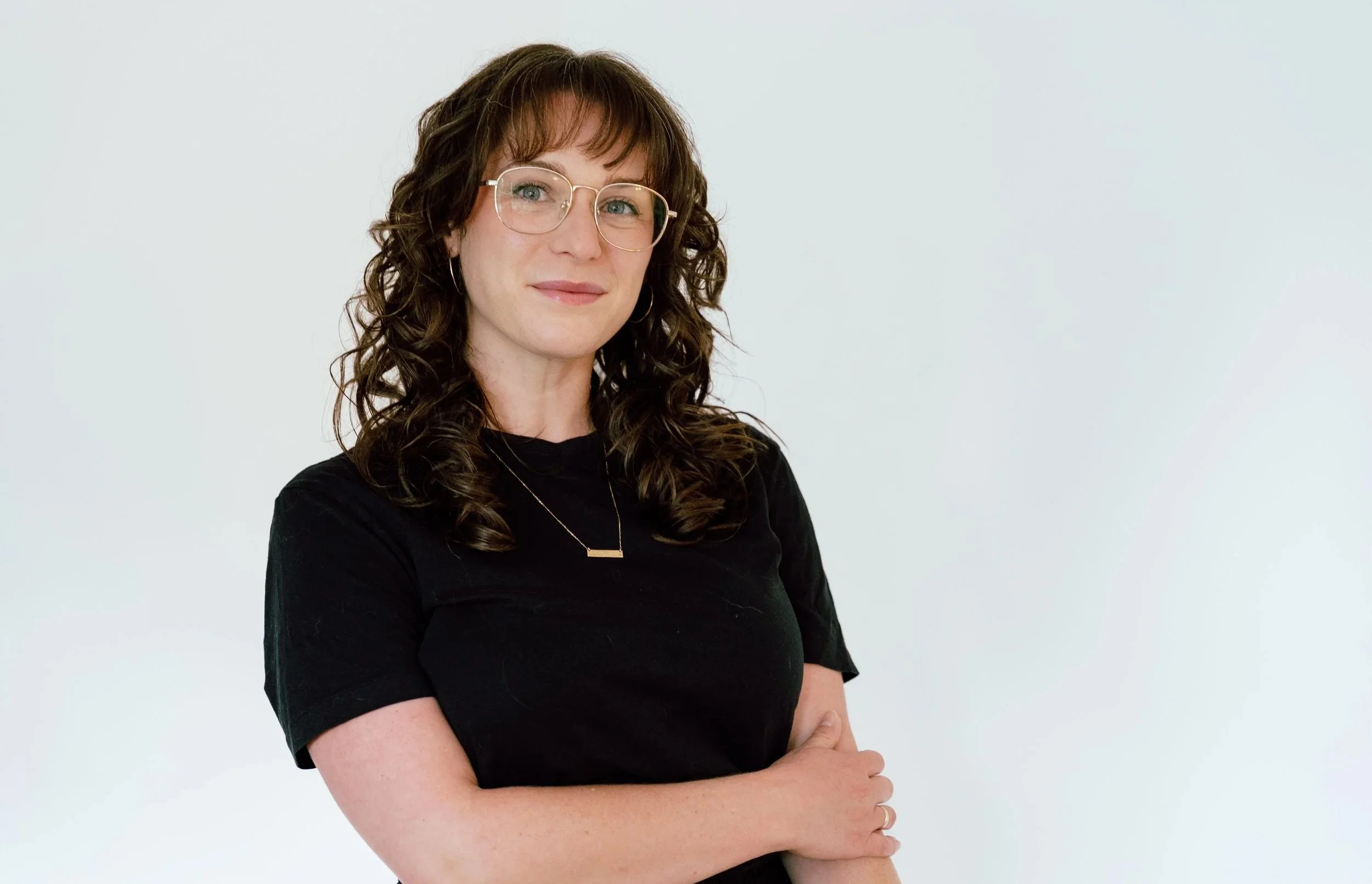
I’m Stephanie Thiessen, a Licensed Mental Health Counselor offering trauma-informed therapy grounded in compassion, curiosity, and relationship. Since 2017, I have helped clients understand and gently shift the emotional patterns shaping their relationships—with others and with themselves—so they can feel more grounded, connected, and at ease.
A Little About Me
-
My Specialty
I specialize in supporting adults navigating trauma from harmful relationships at home, within religion, or from not being accepted in the world as a whole.
For many clients, these experiences show up as perfectionism, anxiety, burnout, loneliness, or a sense of being disconnected from who they truly are. I can hold the weight of those experiences and offer a safe place to feel seen and understood.
-
My Training
My approach to working with trauma is informed by trauma therapy training in both Observed and Experiential Integration and Emotion Focused Individual Therapy.
These are experiential trauma-processing approaches that help you safely feel and work through emotions that once felt overwhelming or unsafe.
-
Additional Insights
I also bring lived experience and additional training in neurodiversity-affirming counseling—an approach that honors who you are at your core and never asks you to be someone you aren’t. Many clients come to me feeling like they’ve had to mask, perform, or be “less” to belong; therapy with me is a space where that pressure can soften and your lived experience is met with care and respect.
-
My Style
I show up with warmth, clarity, and a collaborative presence—holding space for the messy, tender parts while supporting your work towards sustainable, meaningful change.
You are always going to see the real me as I create a safe place to be the real you.
