Calming Sensory Products and Tools for Anxiety
Therapist Recommended Tools
Here you’ll find sensory-friendly supports—like calming fidgets, noise-cancelling earplugs, and sound machines—designed to make daily life feel a little easier and more comfortable.
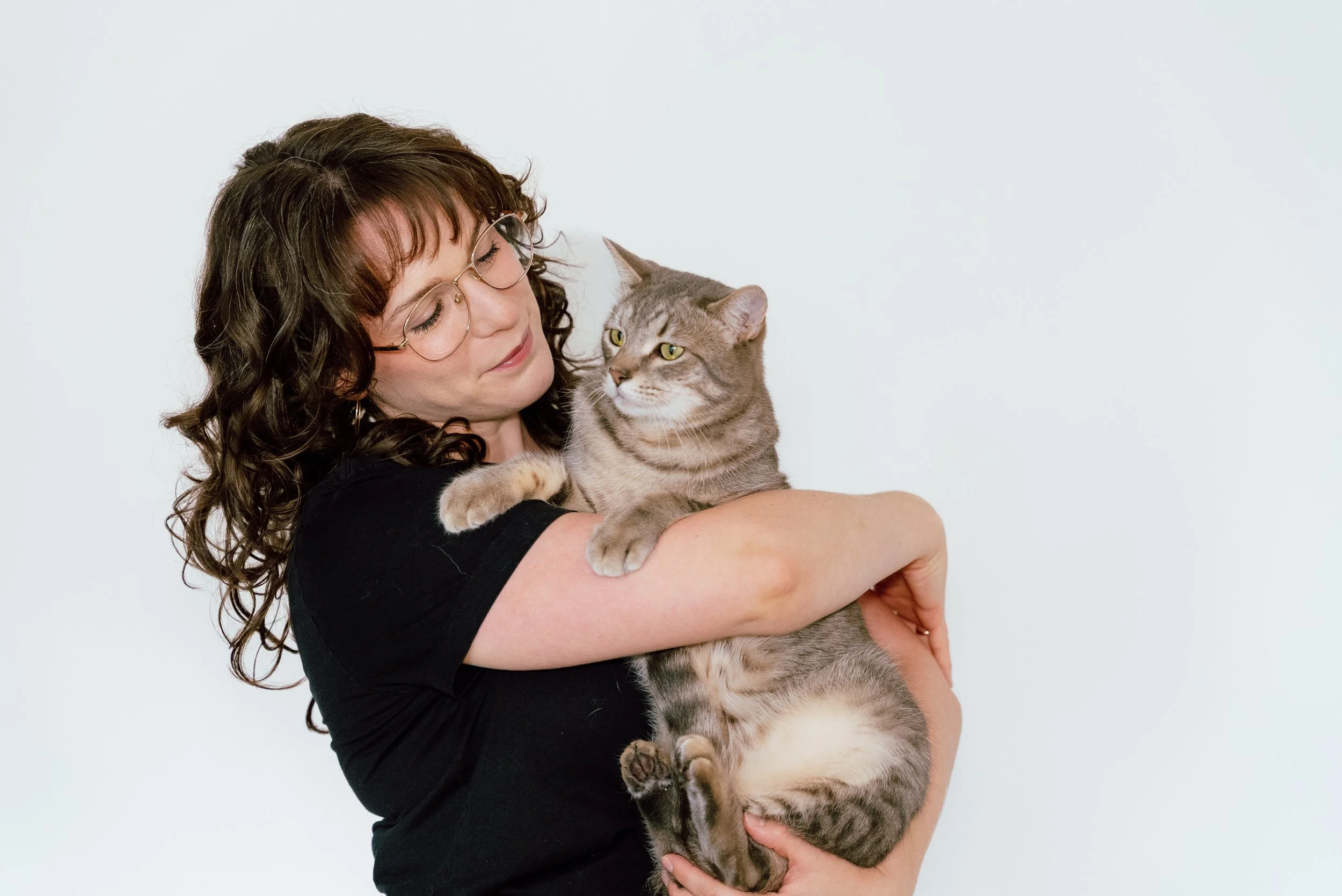
I use some of these sensory tools for anxiety, focus, and regulation myself (along with snuggles from my cat) when I need to support my nervous system.
Everyone’s Sensory Needs are Different
Wether your sensory needs are because of anxiety, Neurodivergence, trauma, or something else, there’s something here for you.
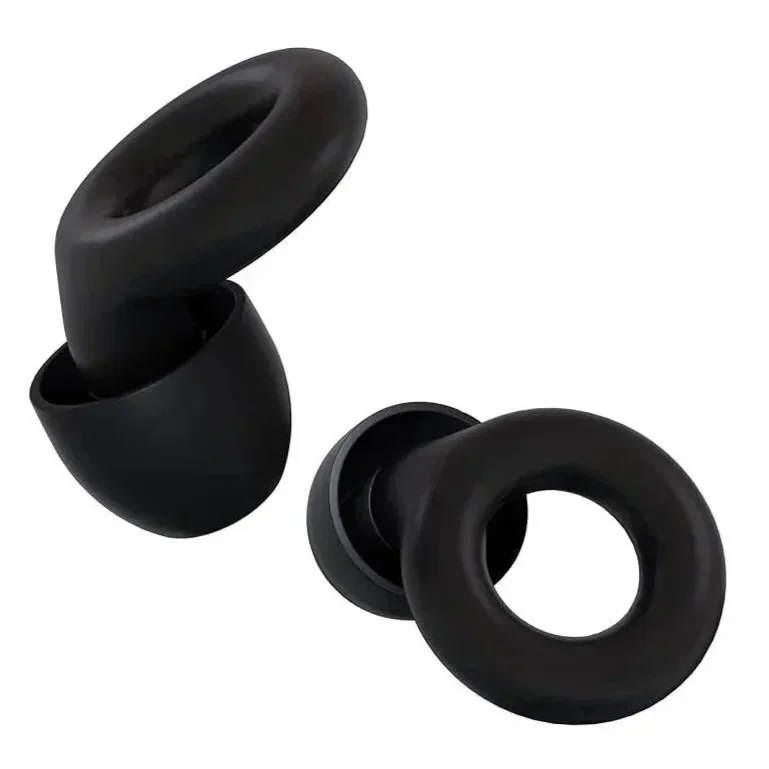
Loop Earplugs
Flexible Noise Protection
Earplugs are more helpful than most people expect. When our nervous systems are close to overload, even a small sound can push us into a fight-or-flight state. Those moments when your roommate’s chewing makes you angry, your child’s screaming makes you want to cry, vacuuming makes you feel like you’re going to vibrate out of your body, or social situations just feel overwhelmingly loud—they don’t have to be quite so hard.
That tension can come from trauma, sensory needs, anxiety, or neurodivergence. Giving yourself permission to filter out some of the sound can take the edge off the intensity you experience day to day.
You don’t have to block out the world completely to benefit. Sometimes, simply turning down the volume gives your brain less sensory information to sort through. Loop offers different levels of sound filtering depending on what you need—from taking the edge off background noise while still being able to have a conversation, to stronger noise reduction when you need more quiet. There’s even an adjustable option that lets you switch between different levels depending on your environment.
As with any sound-reducing tool, be mindful of your surroundings and choose a level of noise reduction that still allows you to hear important sounds when safety requires it.

Fidgets NeeDoh
Soft & Super Stretchy Glob
You know that fidgety feeling? The one that makes you pick at your fingernails, wring your hands, tap your foot, or chew your lip? Sometimes, your body is asking to move—and that’s okay. Movement and fidgeting can be ways our bodies help us regulate, release some of that restless energy, or get the sensory input we need to feel more settled.
Whether you’re carrying extra activation from stress or your nervous system naturally needs more stimulation to feel regulated, sometimes movement or physical resistance simply helps us feel better.
Fidget objects can be a wonderful and easy way to meet that need. I personally love the deep pressure and squishy texture of NeeDoh. They come in different sizes, shapes, textures, densities, and colors, so you can experiment with what feels best for your sensory needs.
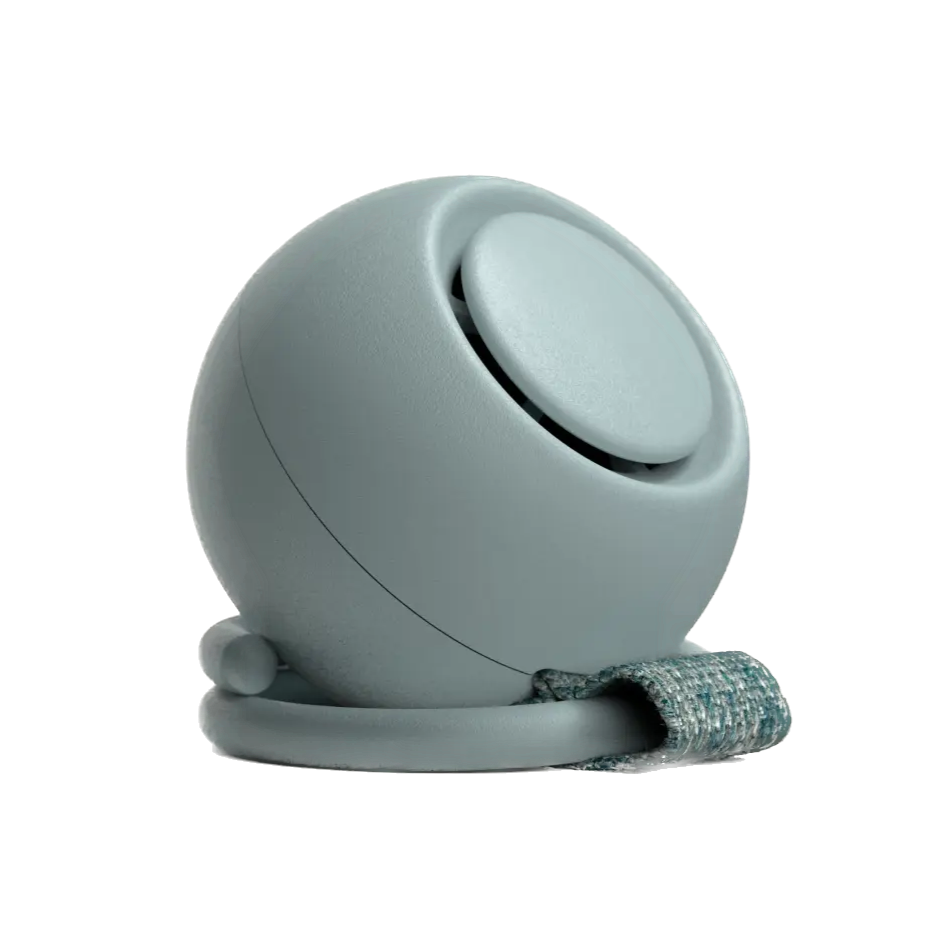
Portable Sound Machine
Block Distractions, Ease Anxiety
Twistable, Pullable, Stretchy

Stretchy Noodles
Stretchy noodles are another great option when you’re craving more active movement or resistance. You can pull, twist, wrap, squeeze, or stretch them, giving your hands and arms something physical to do without needing to stop what you’re doing entirely.
I especially like them for moments when a small fidget just isn’t quite enough. The stretchy resistance can provide more noticeable sensory input and an easy outlet for restless energy, while still being simple enough to use at your desk, on the couch, or during a conversation.
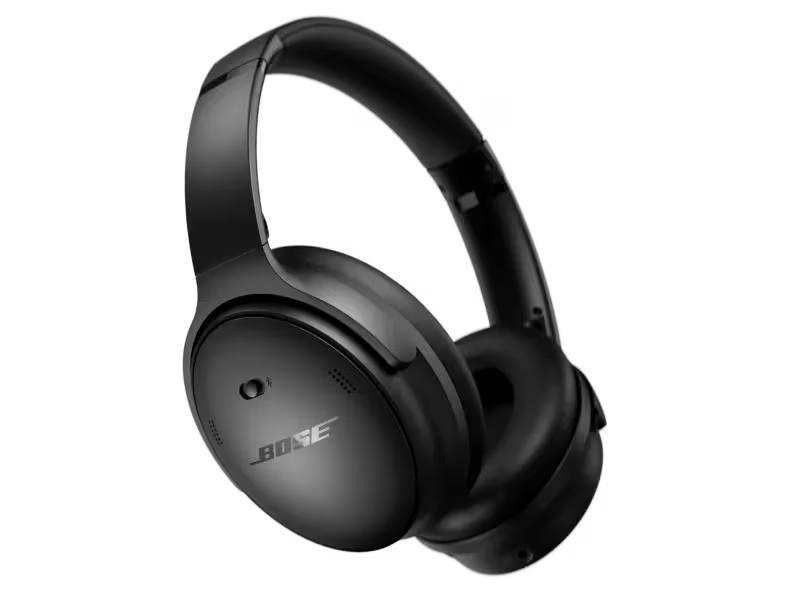
Bose QuietComfort Headphones
Noise Cancelling, Clear Sound
Sometimes you don’t just want to turn down the noise around you—you want to replace it with something that feels better. Maybe it’s music, white noise, or an audiobook that helps you focus, cope, or relax. This is where noise-cancelling headphones can be especially helpful.
They can offer support while traveling, help you focus on a task in a shared space, or make something like vacuuming more manageable by reducing the unwanted noise while letting you listen to something that helps you get through the task. You can also turn the noise cancelling on or off depending on your needs and environment, giving you more control over how much of the world around you comes through. Sometimes having more control over what you hear can make all the difference.
As with any sound-reducing tool, be mindful of your surroundings and choose a level of noise reduction that still allows you to hear important sounds when safety requires it.
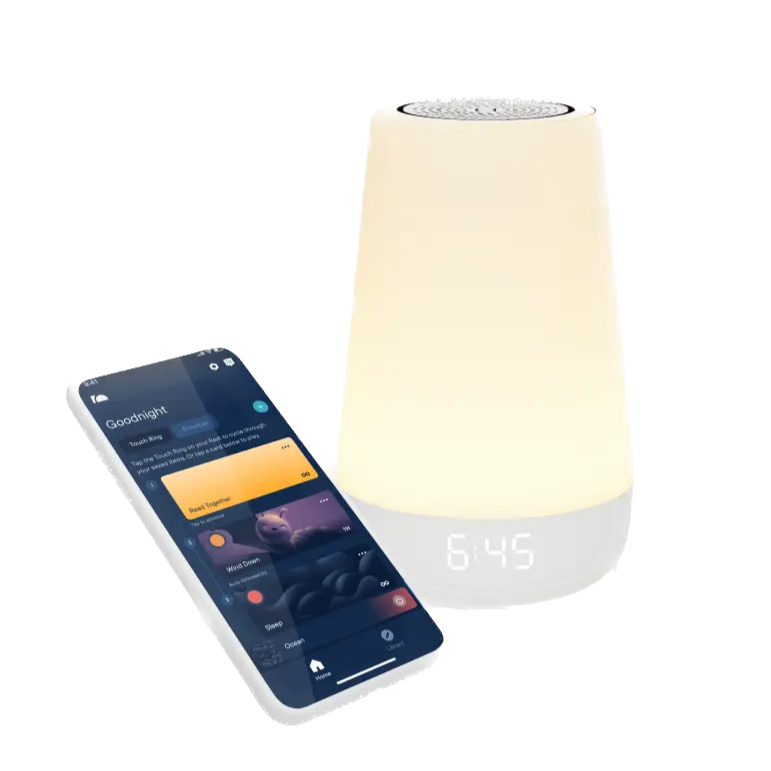
Sound Machine
Block Distractions, Ease Anxiety
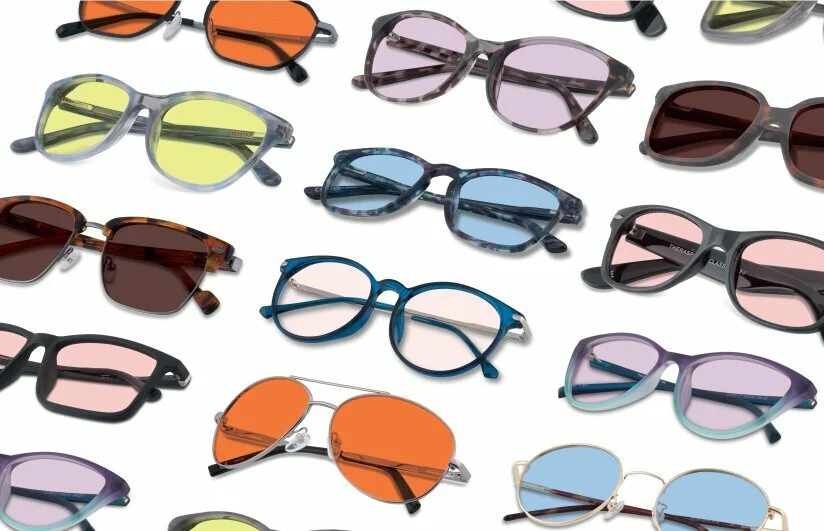
Thera Spects Tinted Glasses
Different colored glasses for specific light wavelengths
Sometimes, adding sound can be just as helpful as reducing it. Consistent background noise can help soften distracting sounds, provide sensory input when your system is craving more stimulation, or create a predictable sound environment for sleep, focus, or relaxation. Sound machines let you experiment with different frequencies of white, pink, or brown noise, nature sounds, and more to find what feels best for you.
This sound machine is designed for use at home and connects to Wi-Fi and a phone app, allowing you to control the sound, volume, automatic schedules, and other settings from your device.
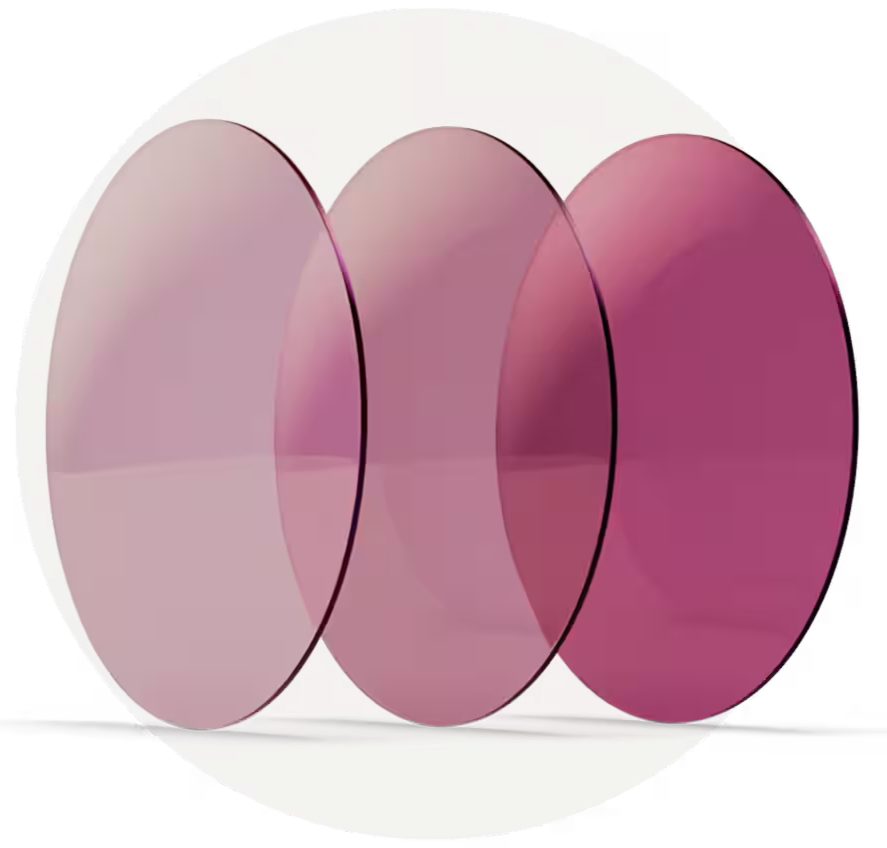
Rose Tinted Glasses
For light-induced discomfort and strain
Ever step outside or walk into a building with fluorescent lighting and it just hurts? Not like looking directly at the sun, but suddenly you’re on edge. Your body feels tense, you’re more irritable, or even sounds seem louder for no apparent reason. Sometimes, light might be adding to your overall sensory load.
When regular sunglasses feel too dark, tinted lenses can offer a middle ground by softening the visual environment without blocking as much light. These rose-tinted lenses come in different levels of darkness, so you can experiment with the amount of filtering that feels most comfortable for you in different settings.
New, severe, or painful light sensitivity can also have medical causes and is worth discussing with an appropriate healthcare provider.
If you benefit from background sound but want to take it with you—or just want a smaller, more affordable option for home—a portable sound machine can be a great fit. It gives you an easy way to create a more consistent sensory environment in unfamiliar, distracting, or noisy spaces.
You can adjust the sound and volume using the buttons on the device, then set it on a nightstand, clip it to a bag, or even hang it from a doorknob. It can be especially handy for travel, shared spaces, or anywhere you’d like a little more control over the sounds around you.
Sometimes it isn’t just about brightness. Certain colors, wavelengths, or types of artificial light may feel more uncomfortable than others—and what feels best can vary from person to person.
Different tinted lenses can give you options for environments like fluorescent lighting, screens, or bright outdoor spaces. Trying different colors and levels of filtering can help you figure out what makes your visual environment feel more comfortable. Your sensory needs can be nuanced, and the support you use can be too.
New, severe, or painful light sensitivity can also have medical causes and is worth discussing with an appropriate healthcare provider.
Frequently Asked Questions
Still have questions? Take a look at the FAQ or reach out anytime. I am happy to support you as you explore your sensory needs to help with emotional regulation and wellbeing.
-
Sensory support is about helping your nervous system feel more calm, centred, and in the moment by engaging with your senses—things like touch, sound, movement, or sight.
When your sensory feels overwhelmed or under-stimulated, it becomes much harder to regulate emotions, focus, or feel safe in your body.
Supporting your sensory needs creates a foundation that makes everything other things more manageable.
-
Anxiety and Trauma can make your nervous system more sensitive to the environment around you - because it is working overtime to keep you safe. When your nervous system is overwhelmed, your body can shift into survival states like fight, flight, or shutdown more quickly.
Sensory input plays a direct role in this. Certain sounds, environments, or physical sensations can increase anxiety, while others can help your body settle and feel safer.
Sensory supports help “lower the volume”, so to speak, on the input that your nervous system has to process so that it can learn to feel safe again.
-
Neurodivergent brains often process sensory input differently—sometimes more intensely, sometimes less.
This can mean everyday environments (lights, noise, textures) feel overwhelming or draining, or that certain types of input are needed to feel grounded and focused.
Your experience isn’t “too much”—it’s your nervous system responding to the world in its own way.
Understanding your sensory system’s needs means you can meet those needs - leaving a bit more energy for the rest of life.
-
You might notice:
Feeling suddenly irritable, anxious, or shut down
Difficulty focusing or thinking clearly
Wanting to escape, withdraw, or “numb out”
Sounds, lights, or touch feeling more intense than usual
Physical pain that doesn’t have a physical cause
Feeling a vague sense of something being wrong but not understanding what it is
Sensory overwhelm often shows up as emotional overwhelm—but the root is your nervous system needing support.
-
They provide controllable and predictable context which helps your nervous system settle.
There are so many factors in life that we do not have control over but there is also a long list of things we can change to support our needs. Sensory supports are one of the things we can change.
You might be surprised that something as simple as lowering unpredictable sounds can relieve your nervous system enough to reduce daily burnout or reduce anxiety.
Repetitive or controlled sensory input can reduce overwhelm and improve focus by giving your brain something steady to anchor to or by reducing the intensity of triggering sounds.
-
When your body feels calmer and safer it becomes more possible to engage in other types of coping. Strategies that focus on your thoughts or behaviors might be too hard to do when your body is over or under stimulated.
Think of sensory regulation as the foundation. When your body feels more settled, other coping tools become more accessible.
-
No, not at all. Everyone has a sensory system.
If you have experienced trauma, anxiety, burnout, or chronic stress, your nervous system may be more easily overwhelmed—and sensory support can be especially helpful.Other people are born with a sensory system which is more or less sensitive than others.
Knowing your sensory system - and it’s needs - is important no matter your experience.
-
It’s a process of noticing and experimenting:
What environments exhaust you?
What sensations feel pleasant, calming, or anxiety causing?
When do you feel most regulated?
There isn’t one right answer—your sensory needs are unique to you.
There are some professionals who are able to help you go through this process. These are:
Psychologists
Occupational Therapists
Just ensure that the professional you pick is knowledgable in your experience (Trauma, Anxiety, Neurodivergence, etc) and sensory support needs.
-
In therapy, I support the process of:
Exploring your unique sensory triggers and needs
Providing worksheets and resources about sensory system needs
Understanding how they connect to anxiety, trauma, or burnout
Build personalized strategies that actually work for your nervous system
Adjust the strategies based on your body’s feedback
This isn’t about forcing change—it’s about helping your system feel safer and more supported.